Bilingual care · English & SpanishCall 972-920-9111
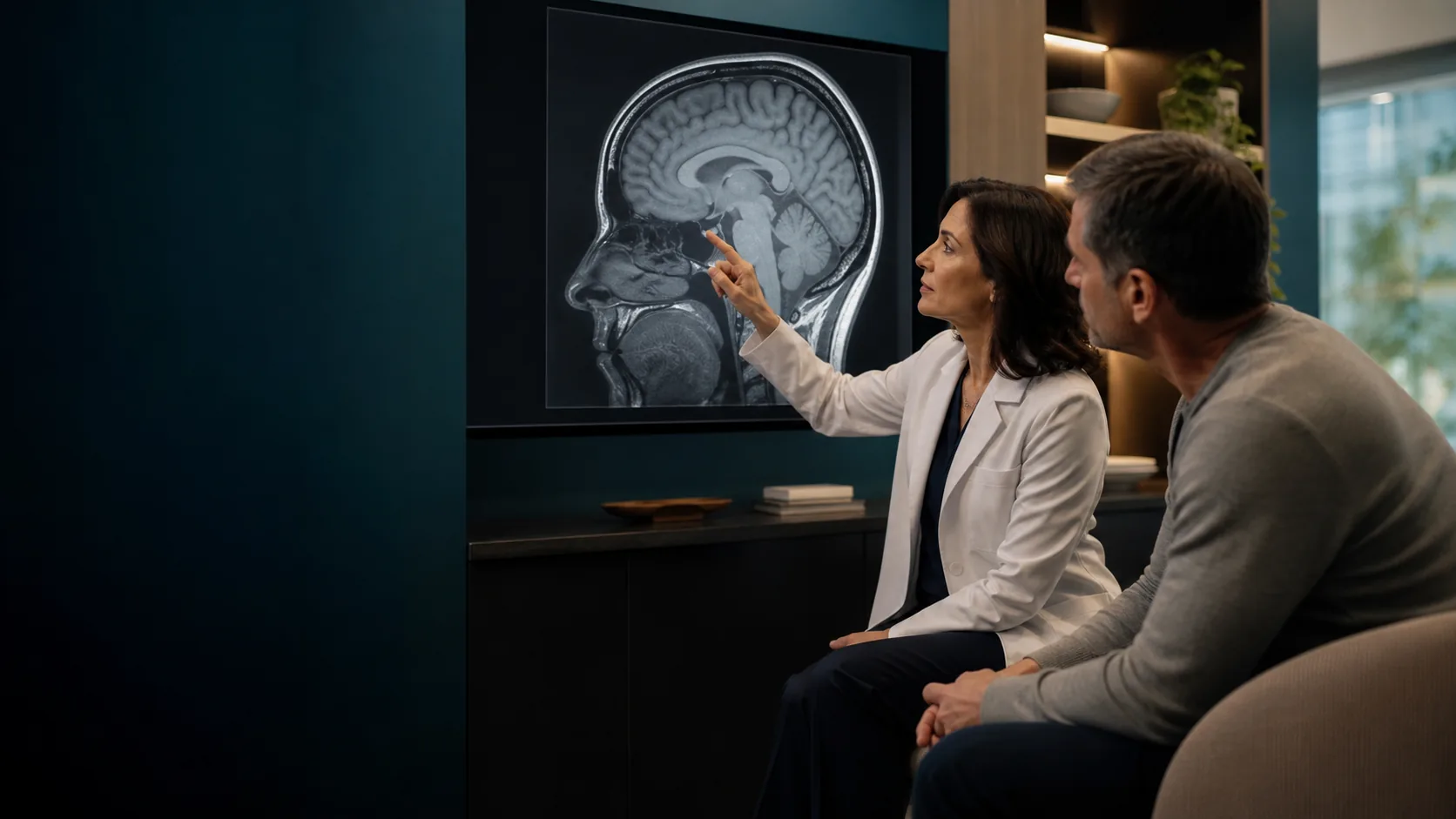
Neurologist explaining brain imaging to a patient

Resources

Personal Injury
Resource Center.

Source-backed articles and practical guides for patients, families, attorneys, and case managers navigating injury care in Texas.

SpineLUX health library

Clear information for the decisions ahead.

Explore patient guides, clinical articles, and attorney resources about symptoms, evaluation, diagnostic testing, treatment pathways, and coordinated personal-injury care.

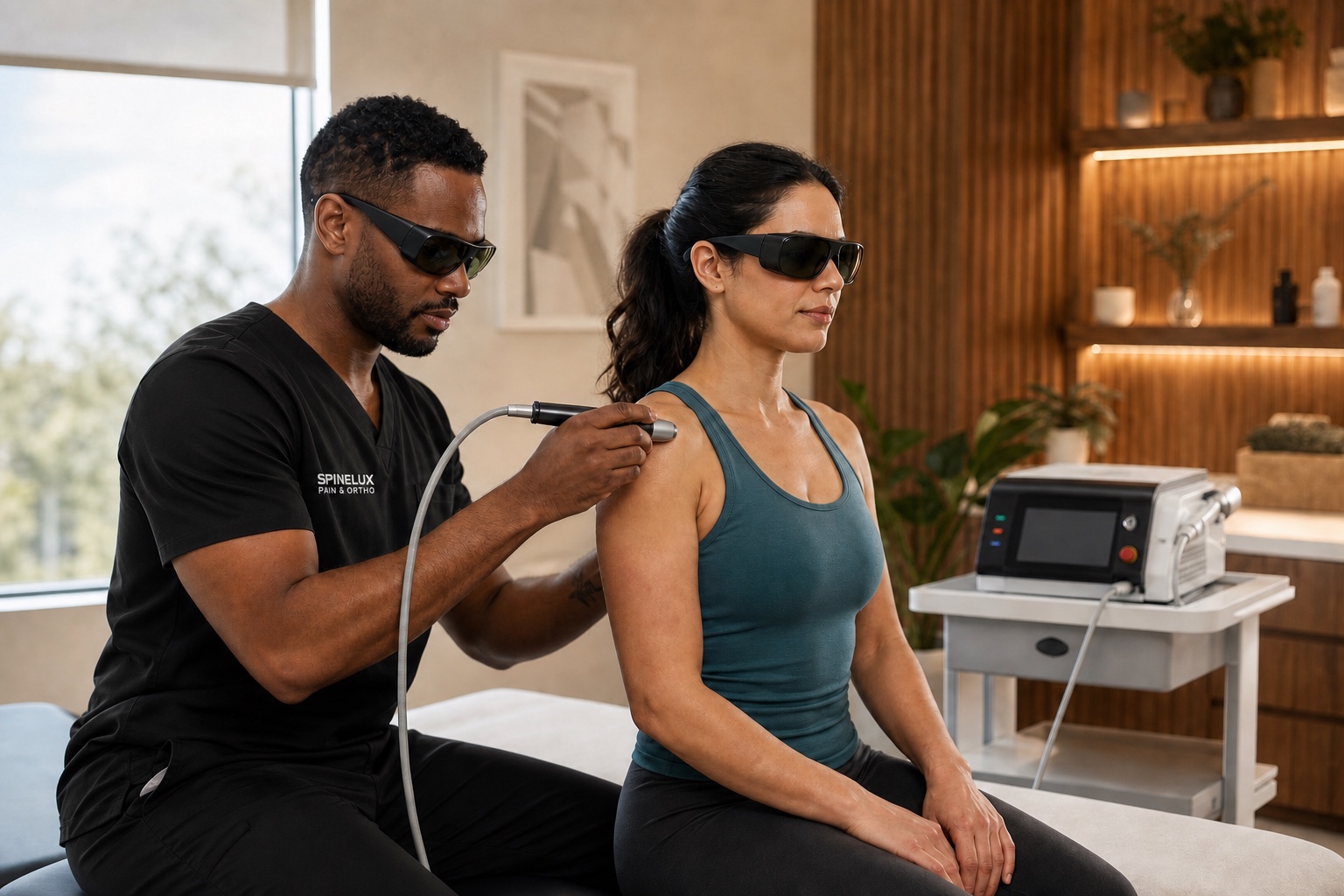
SpineLUX Pain & Ortho provider in black scrubs using Class IV laser therapy on a patient's shoulder in Texas

Treatment guide

Class IV Laser Therapy for Injury Pain: A Texas Patient and Attorney Guide

High-power laser therapy offers a noninvasive way to address musculoskeletal pain while keeping treatment connected with the patient’s broader recovery plan.

13 minute readAug. 20, 2026
Read article →
Texas car accident scene representing the first step in seeking appropriate injury care

Patient & attorney guide

A Practical Guide to Medical Care After a Texas Car Accident

The hours after a collision can be confusing. This plain-language guide explains emergency warning signs, outpatient evaluation, records, and coordinated follow-up.

12 minute readAug. 17, 2026
Read article →
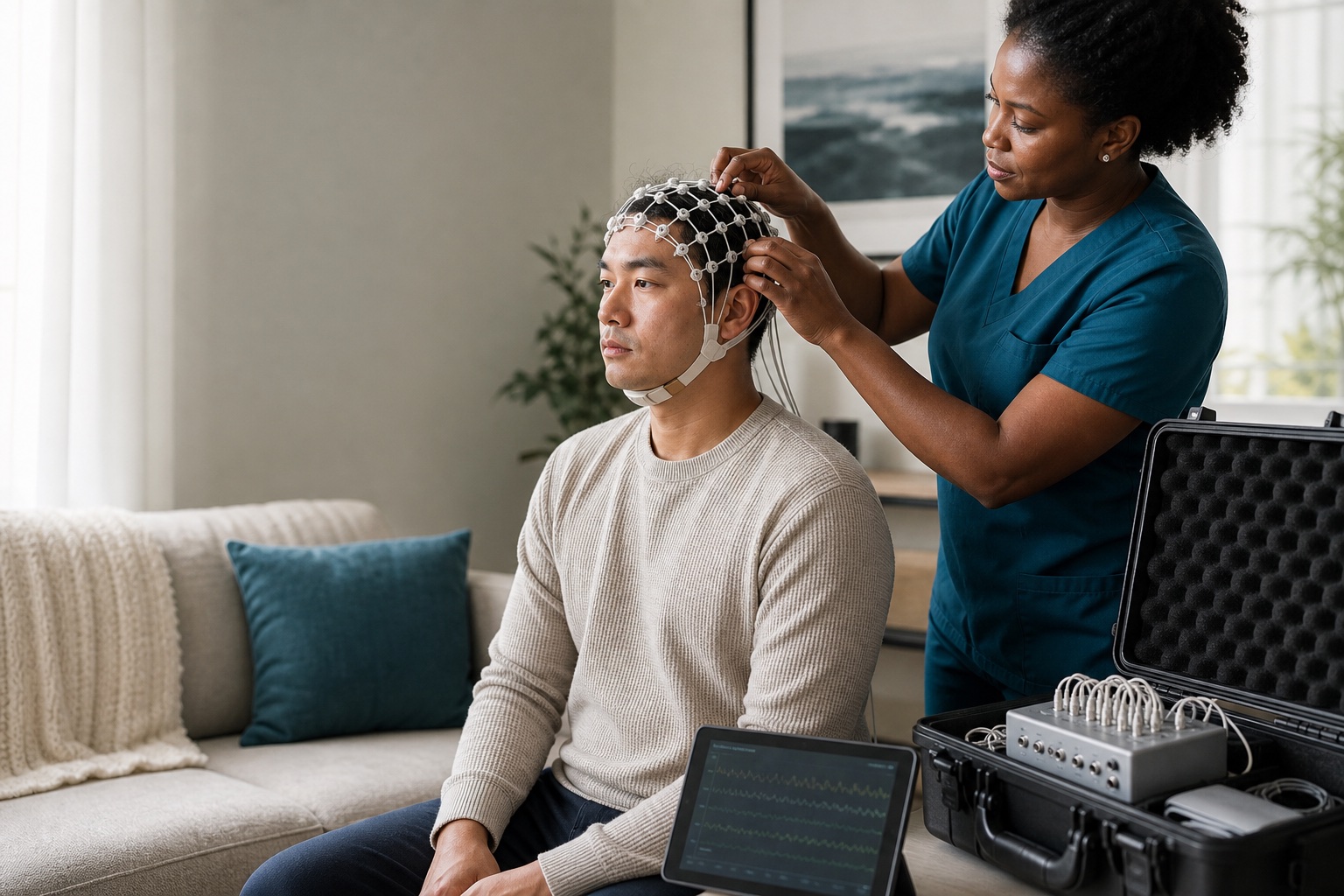
Mobile neurodiagnostic technician preparing EEG electrodes for a patient in Texas

Neurology referral guide

Mobile EEG, qEEG, and Brain Mapping: A Referral Guide

EEG, qEEG, and brain mapping are related—but not interchangeable. This guide explains their roles, limits, mobile availability, and referral process.

12 minute readAug. 17, 2026
Read article →
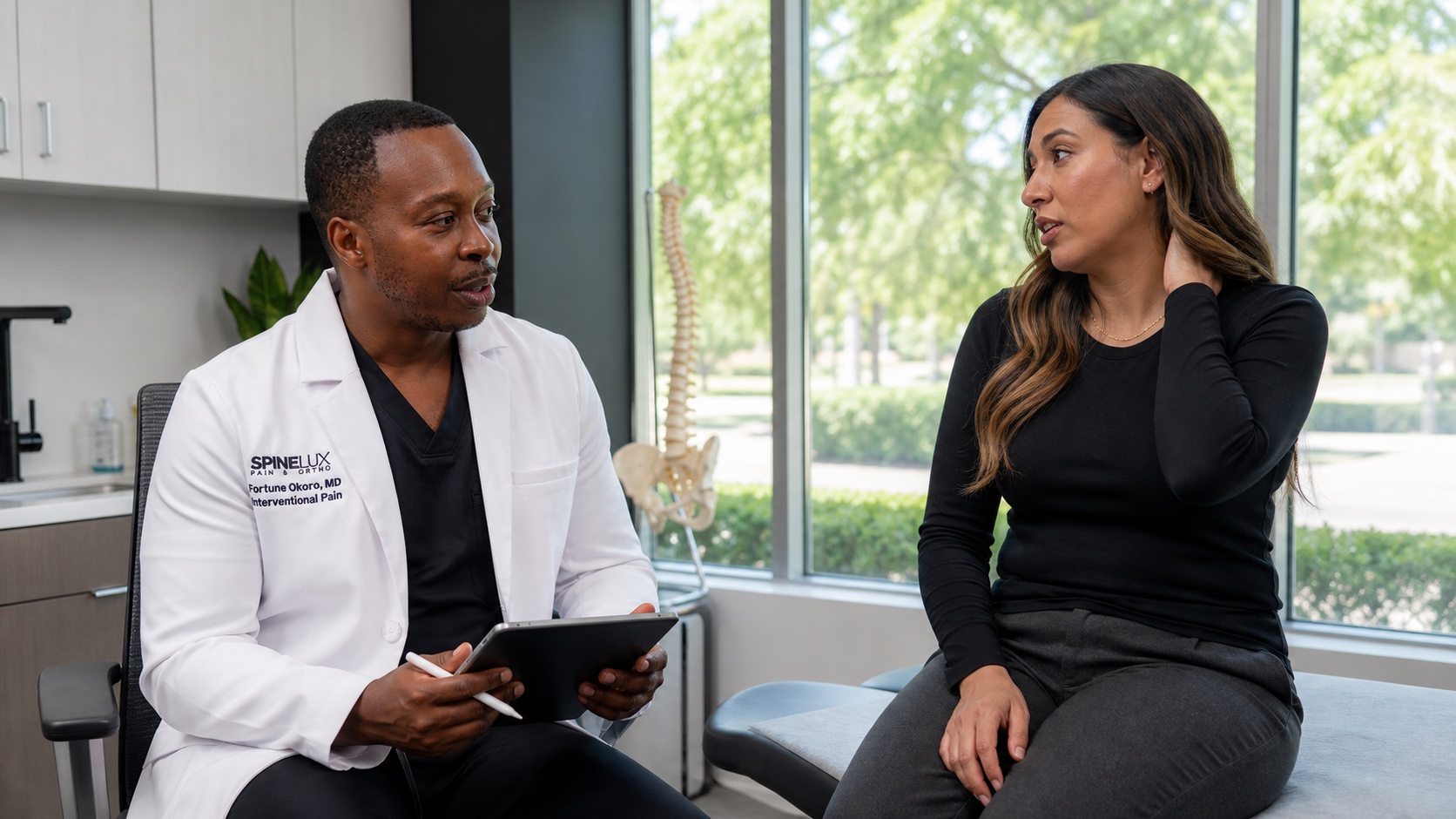
Fortune Okoro, MD, listening to a patient during a personal injury medical consultation

After a car accident

What Kind of Doctor Should You See After a Car Accident?

The right starting point depends on your symptoms. A coordinated injury clinic can help match neck, back, joint, nerve, brain, and emotional concerns with the appropriate specialist.

9 minute readAug. 13, 2026
Read article →
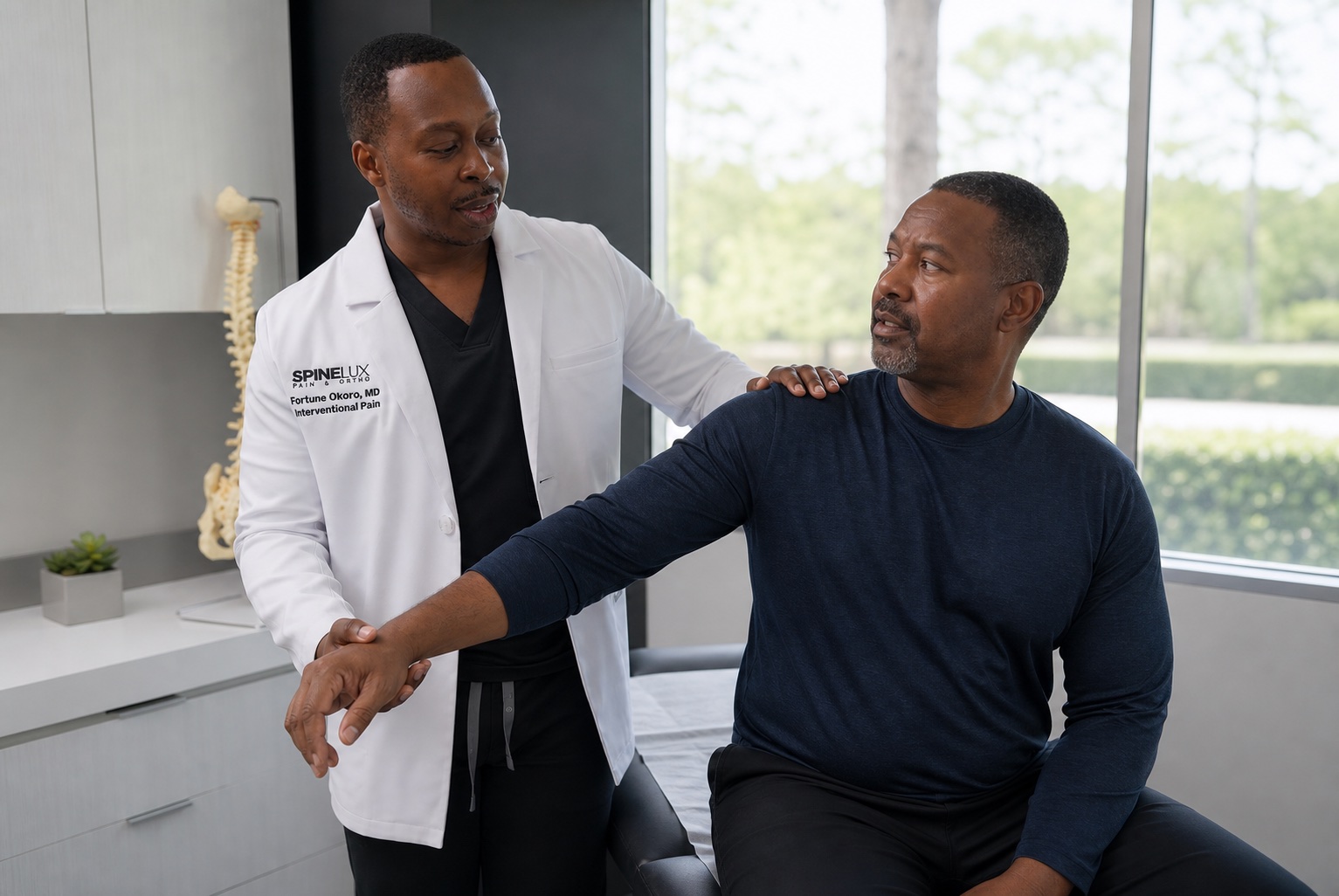
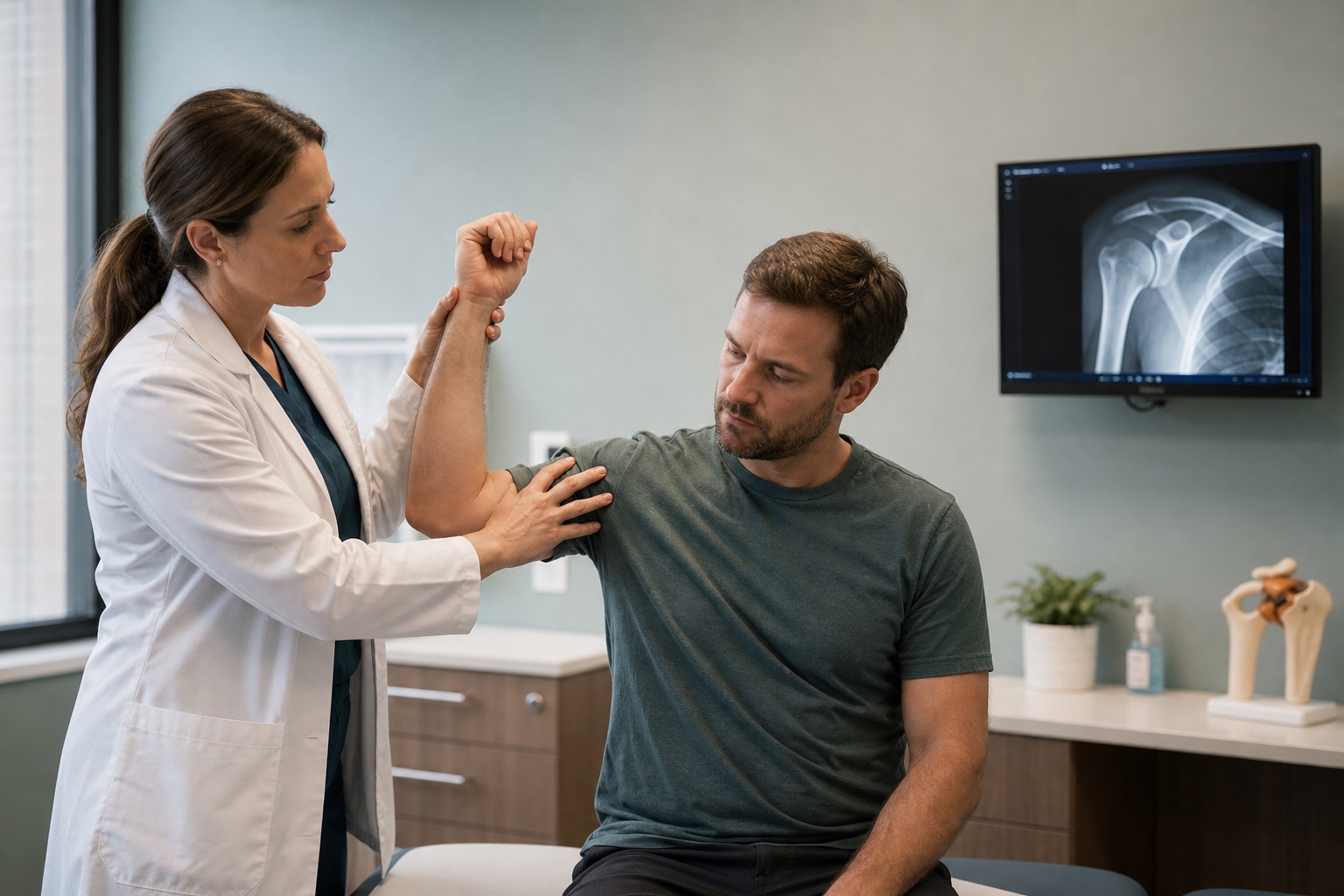
Fortune Okoro, MD, examining a patient's shoulder during an accident injury visit

Patient guide

What to Expect at Your First Medical Visit After a Car Accident

A well-organized first visit creates a clearer baseline. Bring your symptom timeline, emergency records, medication list, prior imaging, and questions about work and daily function.

8 minute readAug. 13, 2026
Read article →
Mobile neurological testing for an accident patient in Texas

Neurology / brain injury

When Should You See a Neurologist After a Car Accident?

Neurological symptoms are not limited to loss of consciousness. Persistent headache, dizziness, cognitive change, altered sensation, or weakness may warrant a focused evaluation.

9 minute readAug. 13, 2026
Read article →
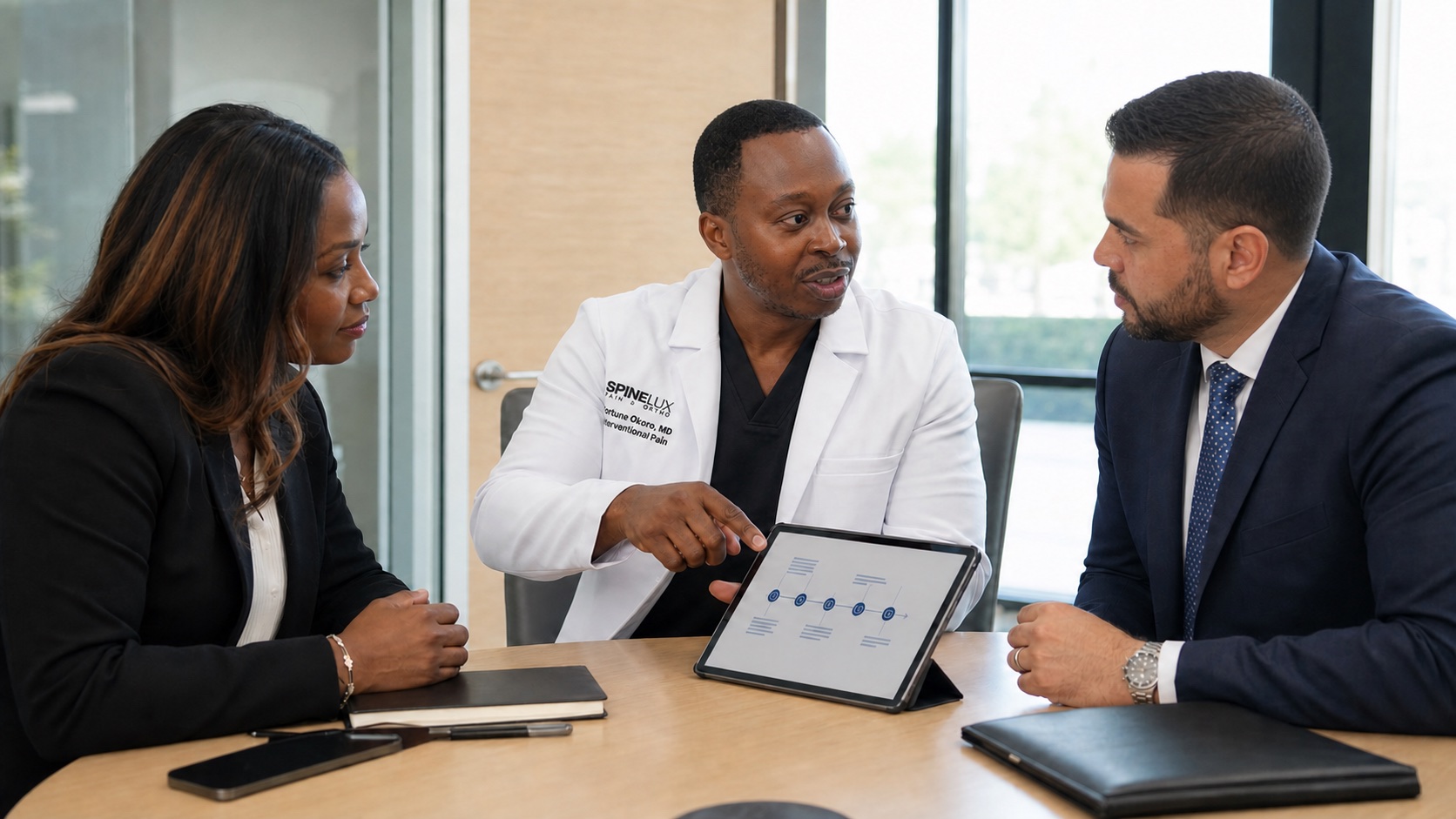
Fortune Okoro, MD, discussing coordinated patient care with personal injury attorneys

For attorneys & case managers

Medical Records and Care Coordination in a Personal Injury Case

A referral is more than sending a name and phone number. Clear clinical questions, patient authorization, timely records, and defined next steps help keep the patient from getting lost between providers.

10 minute readAug. 13, 2026
Read article →
Accident patient documenting delayed neck symptoms the morning after a collision

After an accident

Why Symptoms Can Appear Hours or Days After an Accident

An accident can feel manageable at first, then look very different the next morning. Here is why symptoms may emerge later and what to document.

8 minute readAug. 10, 2026
Read article →
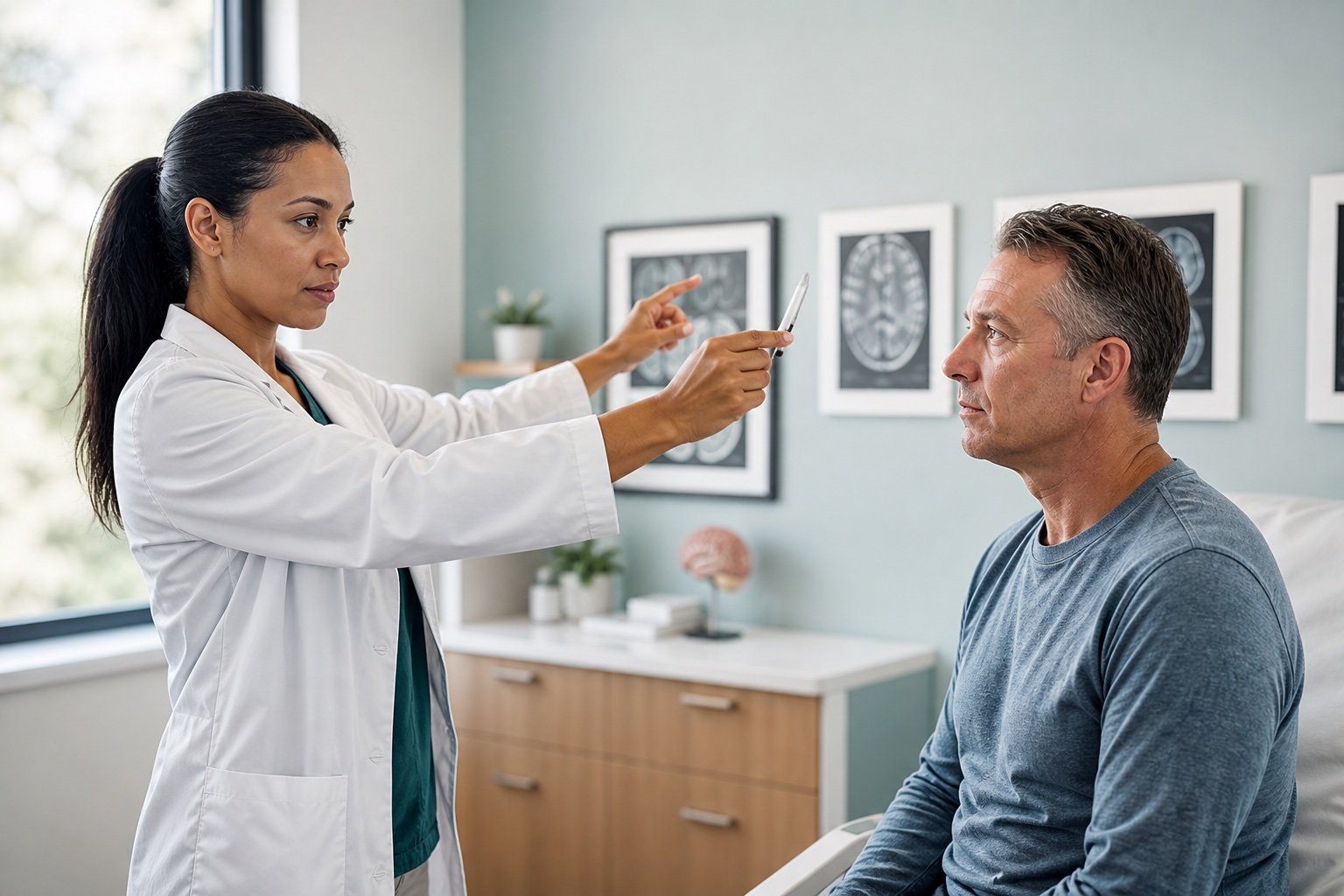
Neurologist checking eye tracking during a concussion evaluation after an accident

Brain injury

Concussion Signs That Deserve Medical Attention

A concussion does not always involve loss of consciousness. Learn the physical, cognitive, emotional, and sleep-related signs to watch for.

9 minute readAug. 10, 2026
Read article →
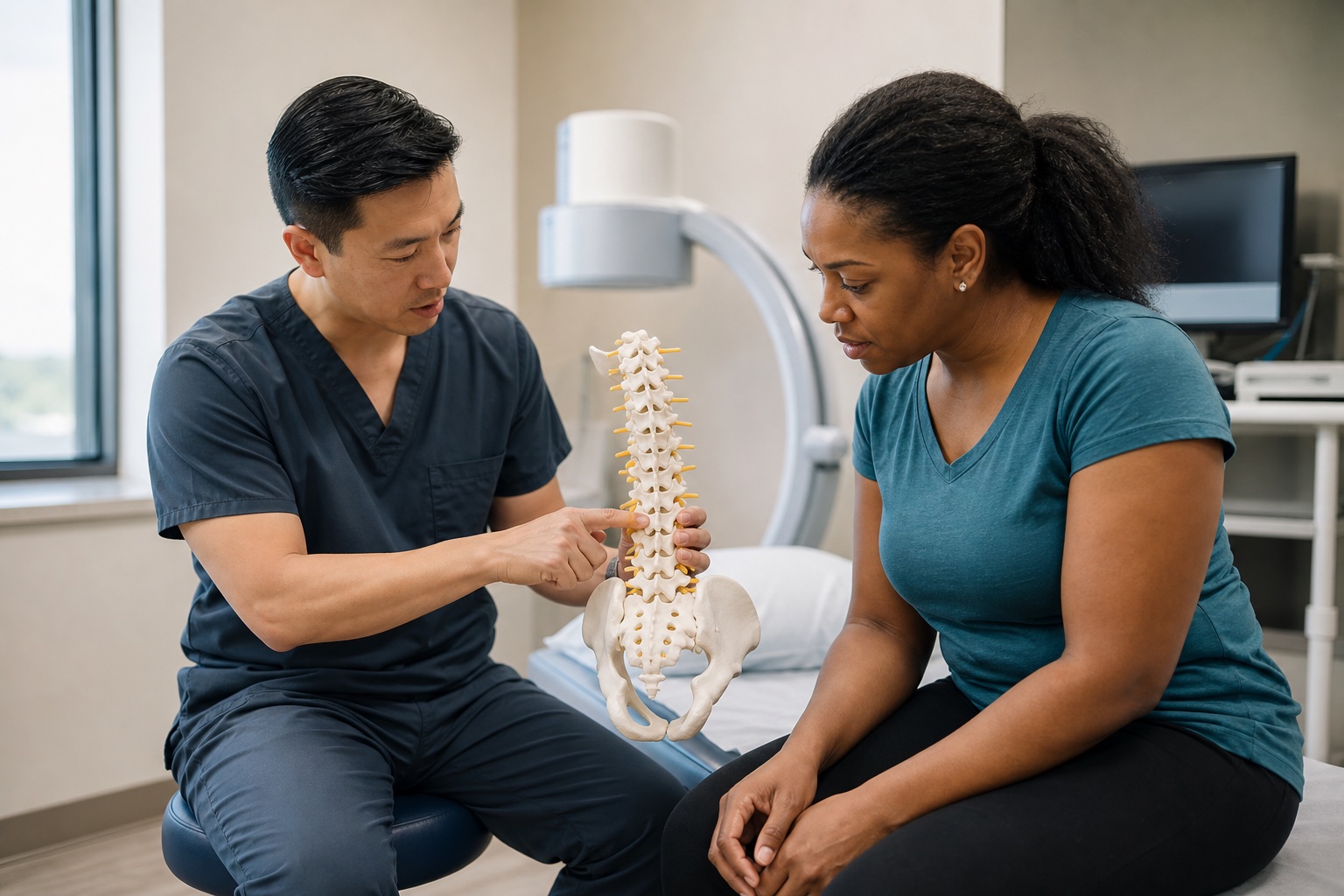
Spine physician explaining radiating neck and back pain with an anatomical model

Spine care

Understanding Radiating Pain After a Collision

Pain that travels from the neck into an arm—or from the back into a leg—can provide clues about irritated nerves and the next evaluation step.

8 minute readAug. 10, 2026
Read article →
Orthopedic physician examining a soft-tissue shoulder injury beside a normal X-ray

Orthopedics

Soft-Tissue Injuries Are Still Real Injuries

X-rays are excellent for many bone questions, but they provide limited information about muscles, tendons, ligaments, and cartilage.

8 minute readAug. 10, 2026
Read article →
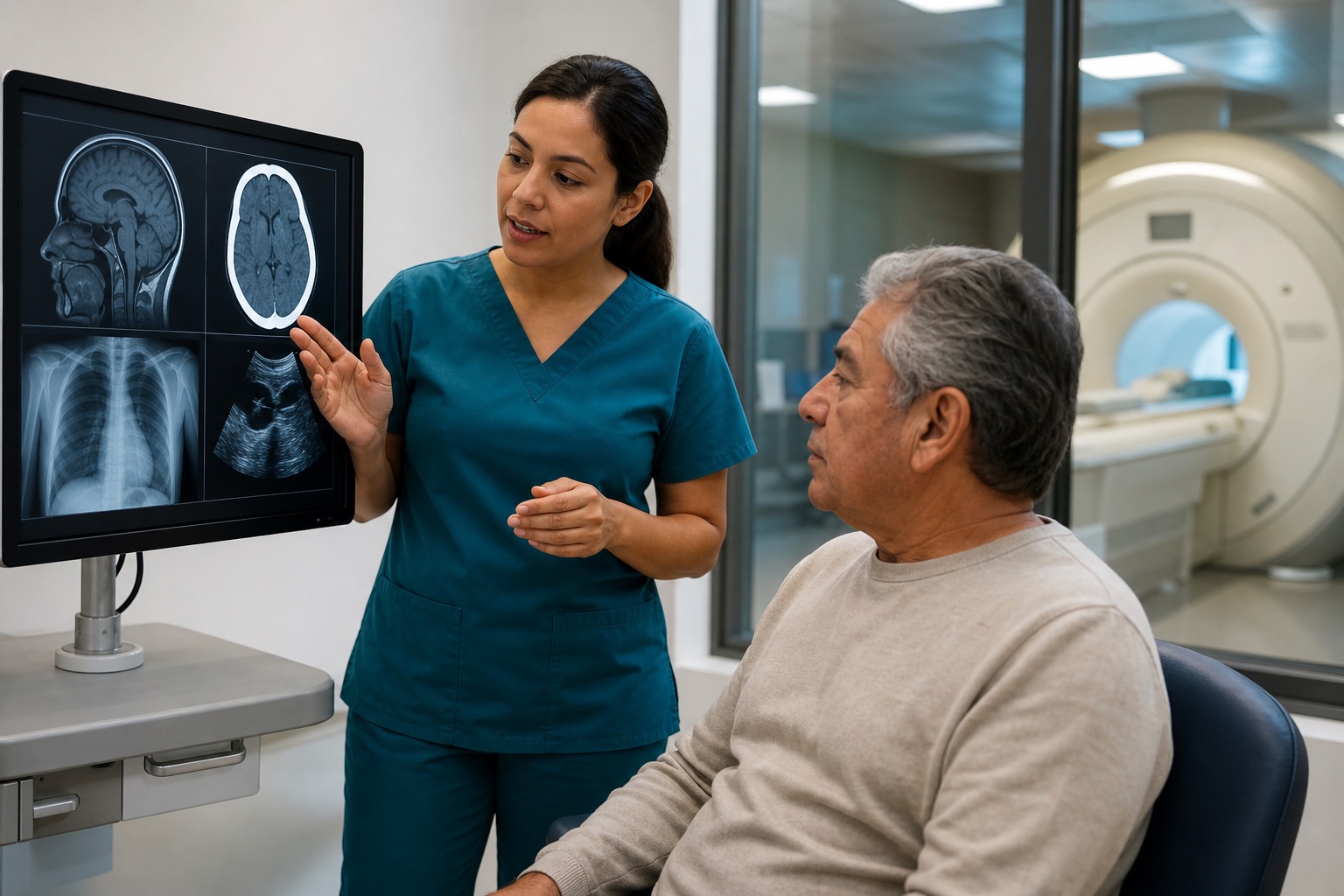
Imaging technologist comparing MRI, X-ray and ultrasound studies with a patient

Imaging

MRI, CT, X-ray, or Ultrasound: What Is Each Used For?

Different imaging tools reveal different structures. The best study is the one that answers a specific clinical question safely and efficiently.

10 minute readAug. 10, 2026
Read article →
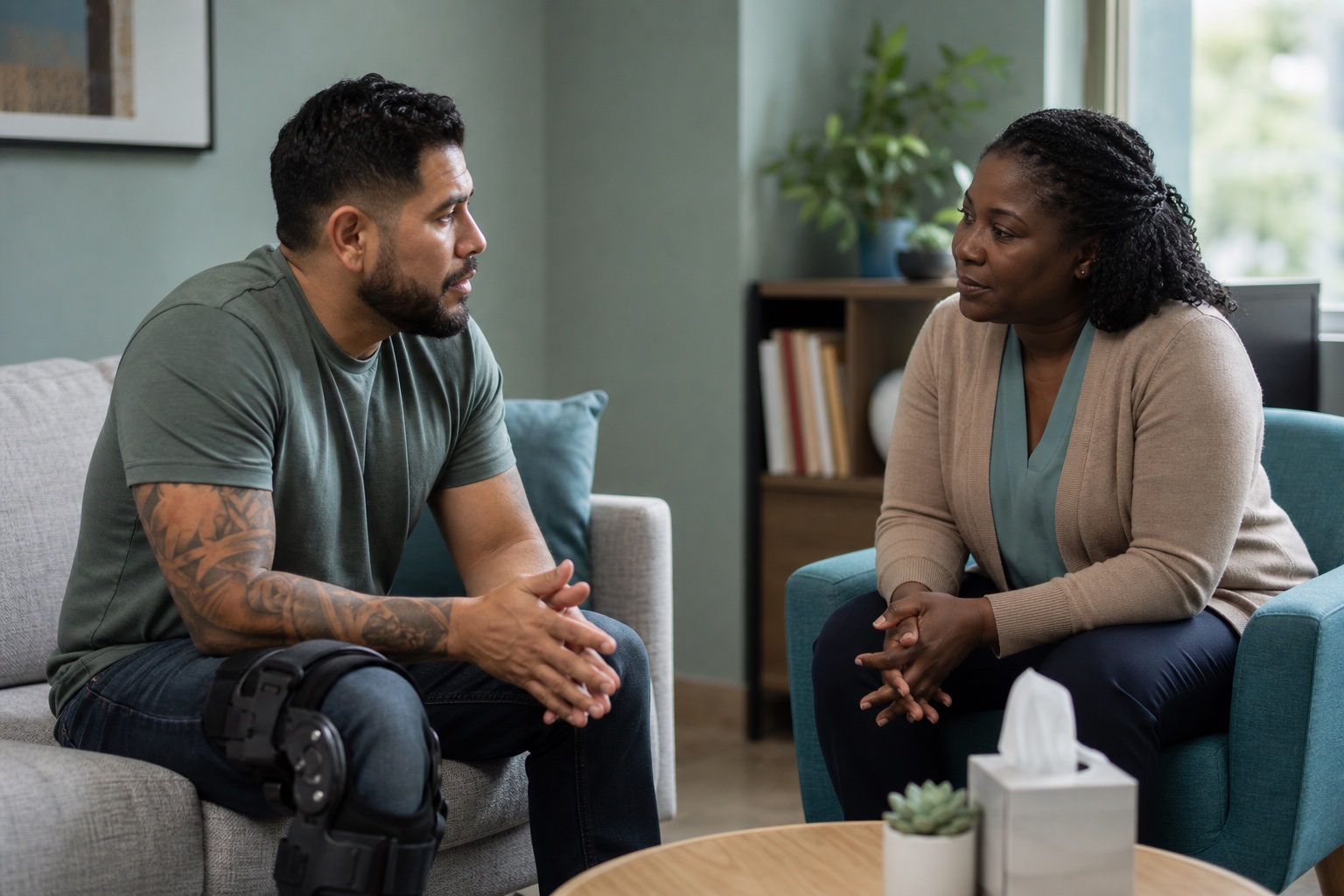
Trauma-informed counselor listening to a patient after a serious physical injury

Recovery

The Emotional Impact of Physical Injury

Recovery is not purely physical. Pain, uncertainty, disrupted sleep, and loss of independence can affect mood, relationships, and concentration.

8 minute readAug. 10, 2026
Read article →
Interventional pain physician explaining a lumbar spine model to an accident patient

Interventional pain management

How Interventional Pain Management Fits Into Accident Recovery

Pain management is more than medication. It connects examination, imaging, function, and targeted treatment around the source of pain.

8 minute readAug. 10, 2026
Read article →
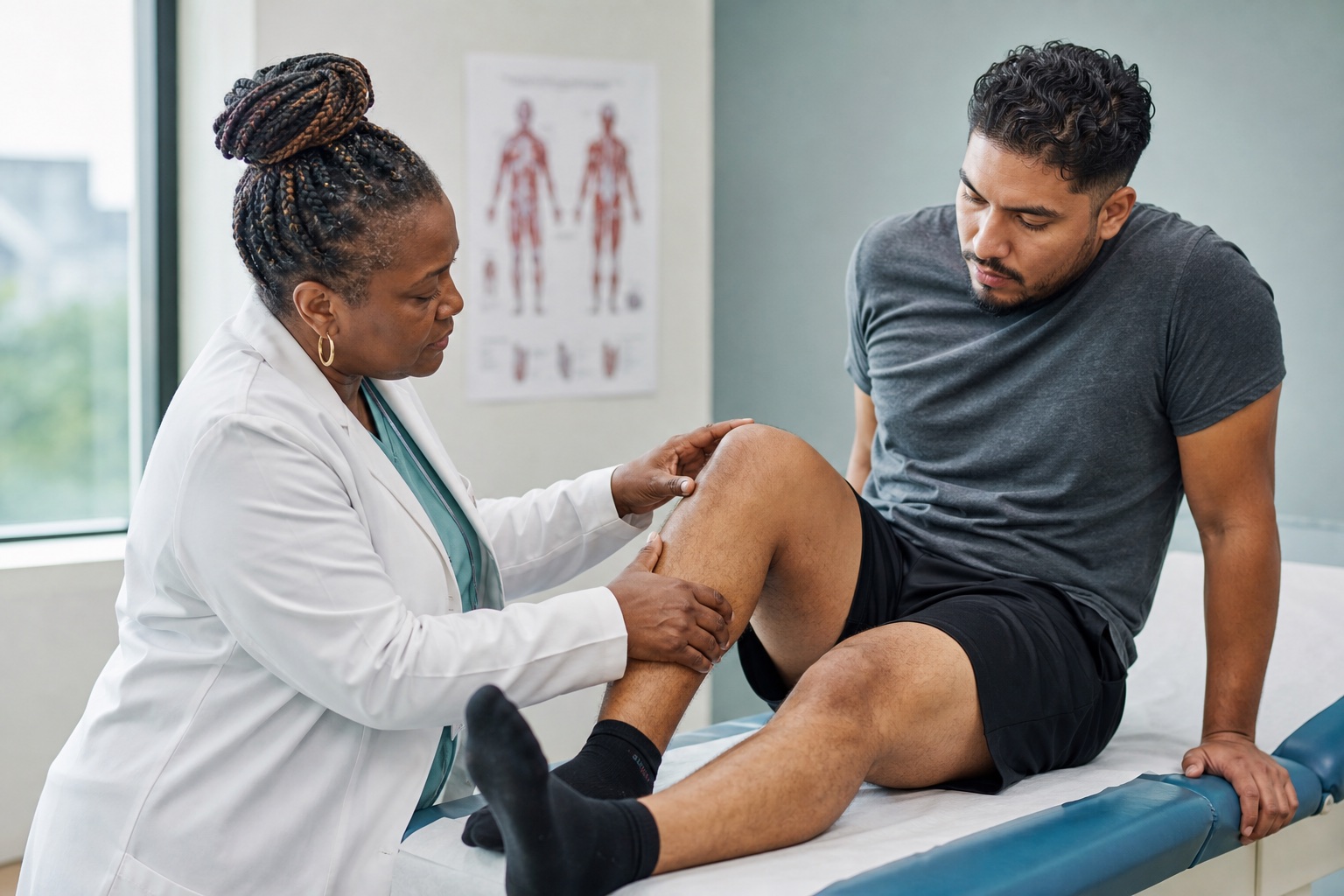
Orthopedic physician evaluating a patient's knee after a car accident

Orthopedics

When Orthopedic Care Is Needed After a Car Accident

Orthopedic evaluation connects pain with joint stability, strength, motion, imaging, and the activities an injury has interrupted.

8 minute readAug. 10, 2026
Read article →
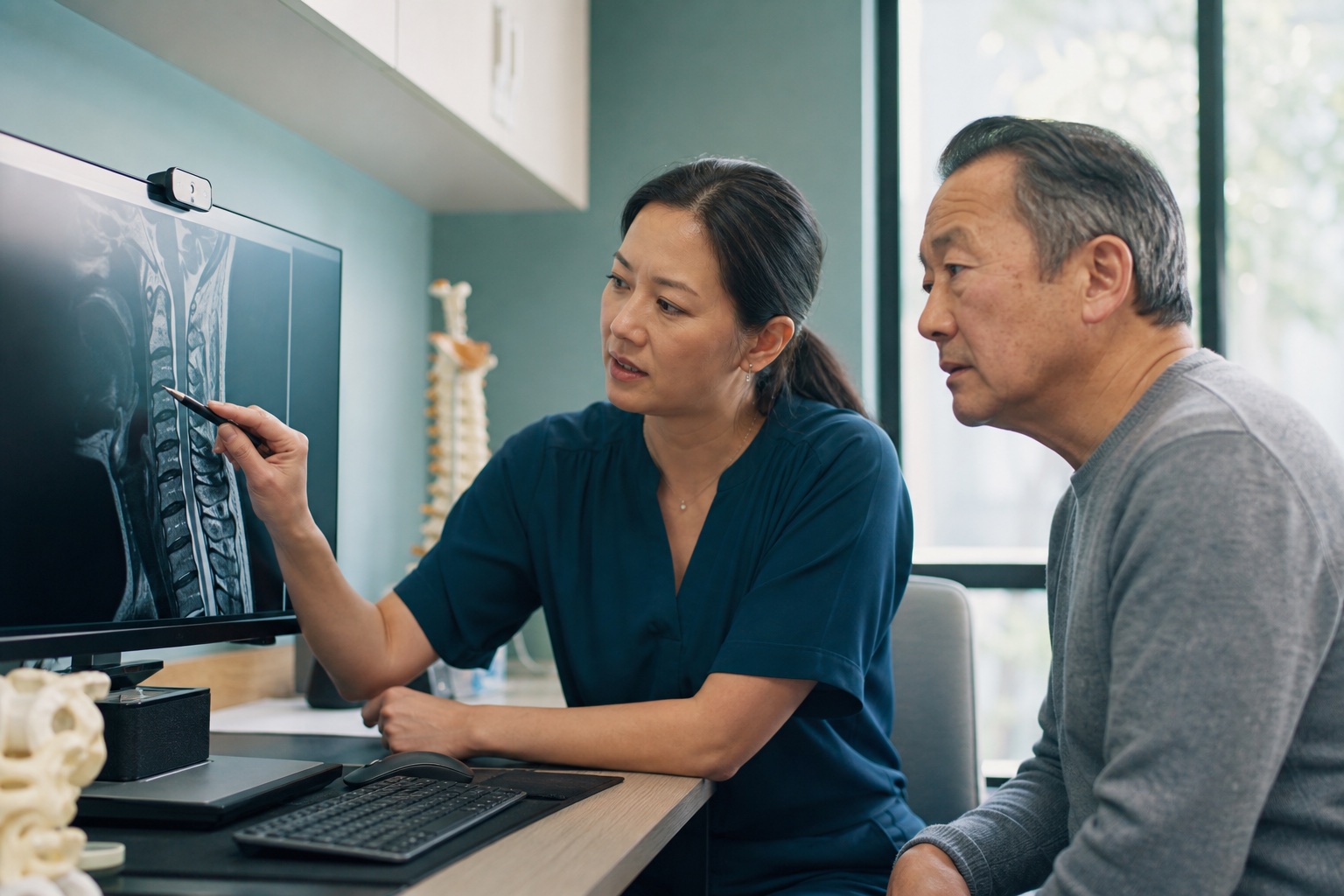
Spine specialist and patient reviewing cervical MRI findings together

Spine care

What Spine Care Looks Like After a Car Accident

Good spine care begins with neurological function, symptom patterns, and the right diagnostic question—not a scan alone.

8 minute readAug. 10, 2026
Read article →
Mobile neurodiagnostic technologist fitting an EEG cap for a Texas patient

Neurology / brain injury

Neurology and Brain Injury Care Across Texas

Neurological symptoms can affect thinking, balance, sleep, sensation, and function. Access should not depend entirely on distance from a major city.

9 minute readAug. 10, 2026
Read article →
Trauma-informed counselor guiding a grounding exercise with an accident patient

Mental health counseling

Why Mental Health Counseling Belongs in Injury Recovery

Addressing emotional health does not minimize a physical injury. It recognizes how pain, stress, sleep, and function interact.

8 minute readAug. 10, 2026
Read article →
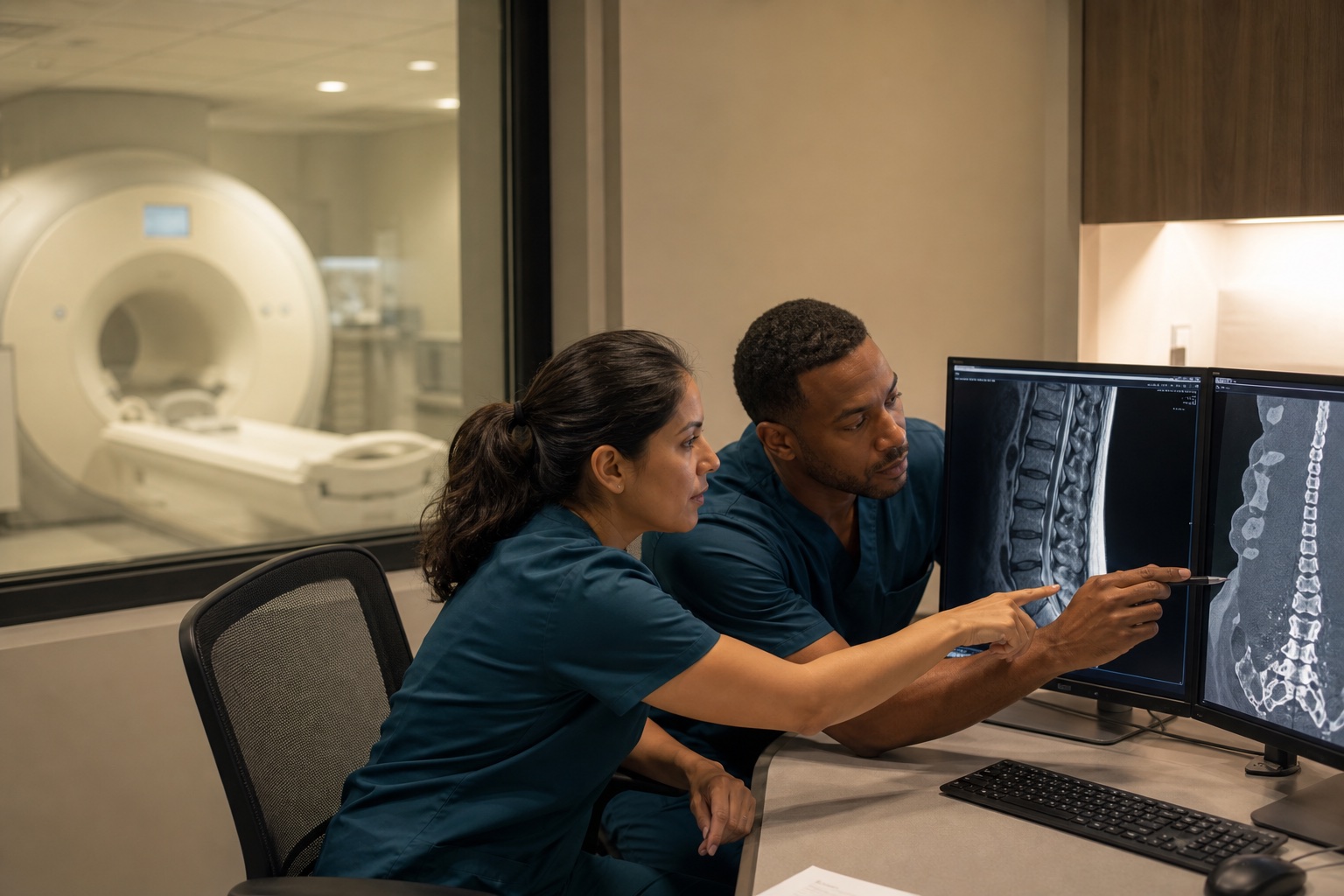
Radiologist and orthopedic physician coordinating care from MRI and CT images

Imaging

Why Diagnostic Imaging Must Connect to the Treatment Plan

A scan is most valuable when the ordering clinician asks the right question and the treating specialist acts on the answer.

8 minute readAug. 10, 2026
Read article →
Patient participating in a coordinated plan with a multidisciplinary injury care team

The SpineLUX approach

Why Coordinated Injury Care Is Better for Patients

Patients should not have to become the courier, scheduler, and translator between every specialist involved in their recovery.

10 minute readAug. 10, 2026
Read article →

Resource-center content is educational and does not diagnose conditions or replace an examination by a qualified clinician. Call 911 for a medical emergency.

Take the next step

A clearer path starts with one conversation.

Call intakeRequest care