
Hip pain after a crash can come from the hip joint itself, its labrum, the pelvis, or the lower back. A knee striking the dashboard can drive force into the hip. Pain in the groin, catching, or trouble walking deserves an orthopedic exam, and severe pain after a hard impact needs emergency care.
How does a car accident injure the hip?
The hip is a ball and socket joint. The ball at the top of the thigh bone sits in a cup in the pelvis. A ring of cartilage called the labrum lines the cup and helps seal the joint. Strong muscles and ligaments surround it.
In a frontal crash, a bent knee can strike the dashboard. That force travels straight up the thigh bone into the hip socket. In a side impact, the door can strike the outside of the hip and pelvis. The seat belt holds the pelvis while the trunk moves. And bracing hard on the brake pedal can strain the hip and groin.
What hip injuries are common after a crash?
Muscle strains and contusions are the most common. The outer hip, groin and buttock muscles can be bruised or strained. These hurt but usually heal with time and rehab.
Labral tears happen when the hip is forced into an extreme position or the ball is driven against the rim of the socket. They can cause deep groin pain, clicking, catching or a locking sensation.
Hip pointer injuries are bruises to the top of the pelvic bone, often from side impacts or seat belts.
Trochanteric bursitis and gluteal tendon injuries cause pain on the outer side of the hip, especially when lying on that side.
Fractures and dislocations of the hip or pelvis happen with high-energy crashes. They're emergencies.
Sacroiliac joint injuries, where the pelvis meets the base of the spine, can feel like low back or buttock pain.
Sometimes hip area pain actually comes from the lower back, when an irritated nerve sends pain into the buttock and thigh.
What symptoms should I watch for?
Get an orthopedic exam if you have:
- Deep pain in the groin or front of the hip
- Clicking, catching or locking in the hip
- Pain that's worse with sitting long, getting in and out of the car, or putting on shoes
- Pain on the outer hip when lying on that side
- A limp that isn't going away
- Stiffness or loss of motion
Go to an emergency department right away if you can't bear weight, the leg looks shortened or turned out, or you have severe pain after a high-speed crash.
How is hip pain evaluated after an accident?
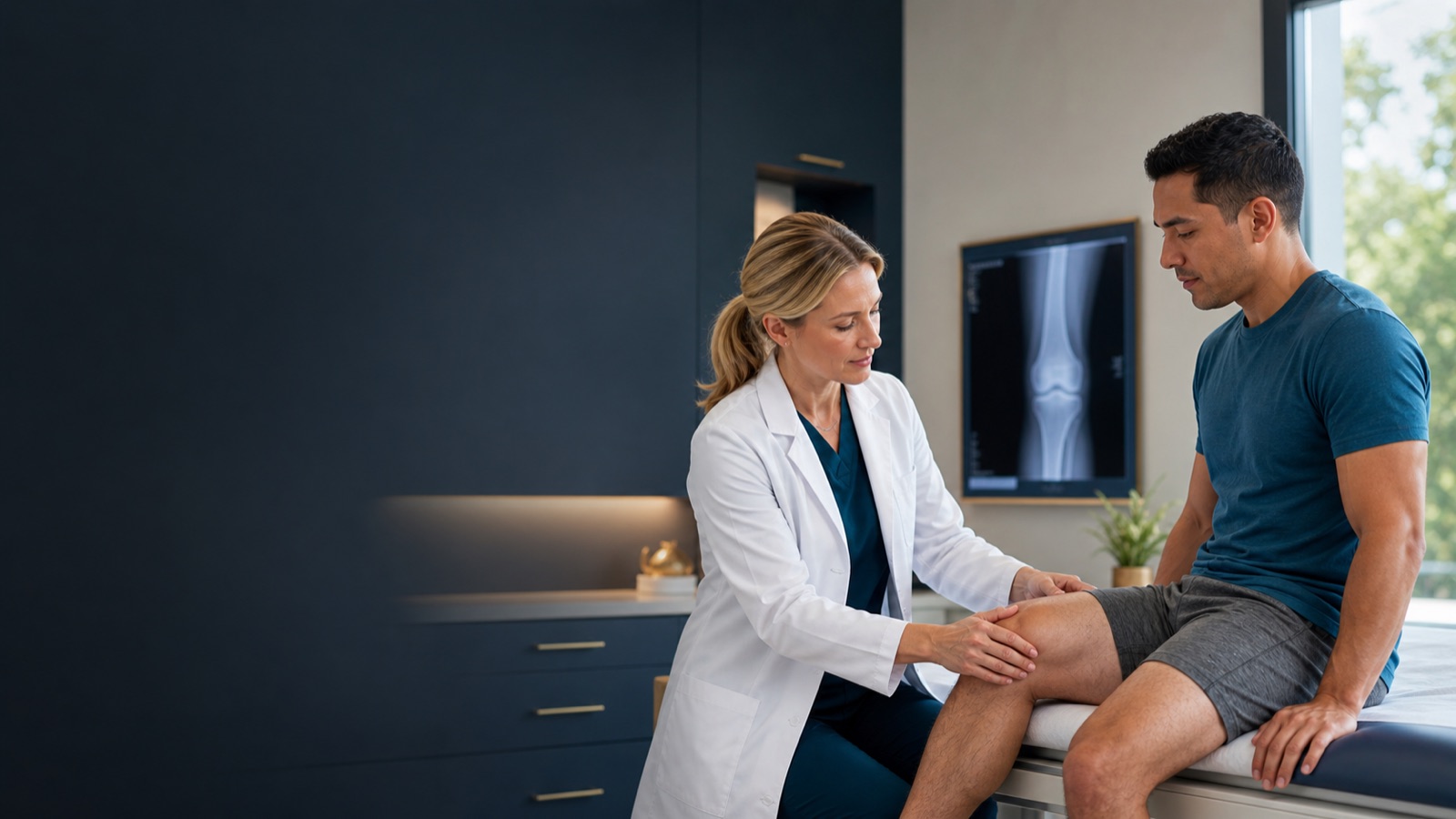
An orthopedic specialist asks about the crash, your seating position, and how pain has changed. The exam includes watching you walk, checking range of motion, and specific tests that pinch or stretch parts of the joint to find the source. They'll also check your lower back and nerves, since spine problems often refer pain to the hip.
X-rays show fractures and joint alignment. MRI, sometimes with contrast injected into the joint (an MR arthrogram), shows the labrum, cartilage and soft tissues. An ultrasound may help with tendons and bursae.
A diagnostic injection into the hip joint can also help. If numbing medicine in the joint relieves the pain, the joint is likely the source.
How is it treated?
Most hip injuries start with conservative care:
- Activity changes to avoid painful positions while tissues heal
- Physical therapy for hip and core strength, flexibility and gait
- Medication for pain and inflammation
- Ice or heat
- Injections for bursitis, tendon pain or joint inflammation in selected cases
Labral tears that keep causing catching and pain after a full course of rehab may be considered for arthroscopic surgery. Fractures and dislocations need urgent orthopedic treatment.
How long does recovery take?
Muscle strains and bruises often improve within a few weeks. Bursitis and tendon problems can take a few months. Labral tears vary widely; some settle with rehab, others don't. Fractures follow their own healing timeline.
If you're not improving after several weeks, get rechecked rather than pushing through.
Can hip pain affect my back or knees?
Yes. A painful hip changes how you walk. Over time that can strain the lower back, the other hip, or the knees. Treating the hip early helps limit that chain reaction. If back or knee pain starts after the hip injury, mention it.
How should I sit and sleep while my hip heals?
Sit with your hips slightly higher than your knees and avoid low, soft couches. Get in and out of the car by sitting first, then swinging both legs together. Sleep on your back or on the uninjured side with a pillow between your knees.
Where can I get hip pain evaluated in Texas?
SpineLUX orthopedics, spine care and pain management clinicians evaluate accident-related hip and pelvic pain, check whether the spine is involved, and coordinate imaging when indicated. Clinics serve Irving, Houston, San Antonio, Live Oak, McAllen and El Paso, with intake in English and Spanish. The Irving clinic is at 100 E Royal Ln, Suite 125.
Questions about payment? Call 972-920-9111 and our team will walk you through it. All services are offered in Spanish. Call 972-920-9111.
What can I do at home while I wait for my visit?
Use a cane or crutches if walking hurts, and avoid long periods of sitting in low chairs. Ice can help soreness on the outside of the hip. Sleep with a pillow between your knees if lying on your side hurts. Don't push through sharp groin pain or a hip that catches or locks. Those symptoms deserve an exam before you increase activity.
This article is general information, not medical advice. Treatment depends on an individual clinical evaluation, and results vary.
Common questions
What else do patients ask?
Can a dashboard injury hurt my hip?+
Yes. Force from the knee can travel up the thigh bone into the hip socket.
Is groin pain after a crash a hip problem?+
It often is. Deep groin pain is a common sign of a hip joint or labral injury, though hernias and other problems can also cause it.
Will a labral tear heal on its own?+
The labrum has limited ability to heal, but many people get good relief from rehab without surgery.
Could my hip pain be coming from my back?+
Yes. Lower back nerve irritation often causes buttock and thigh pain. The exam checks both.
Should I keep walking?+
Gentle walking is usually fine if it doesn't cause a limp or sharp pain. Severe pain or inability to bear weight needs emergency care.